Data Ethics in Modern Trading: Why User Trust Is the Ultimate Fintech Asset
How trading platforms handle your data, AI decisions & regulations like SEC Reg S-P, GDPR & UAE PDPL and what real data ethics in trading looks like.

On this page
Data Ethics in Trading starts with a simple question: how should platforms use the data you trust them with? Every time you log in, make a deposit, place an order or check your portfolio, you leave a trail of data behind. Trading platforms use it to verify your identity, spot fraud, manage risk and personalise your experience.
But that data can also reveal your risk tolerance, market exposure and how you react when prices swing.
A recent Clutch survey found that 90% of people say privacy matters, but only 55% feel confident keeping their data safe online. Financial information tops their list of worries, and 88% would walk away from a company they believed wasn't keeping their data secure.
That's why data ethics in trading goes beyond following the rules. The law sets the minimum. Responsible data use in fintech is what turns protection into lasting trust.
What Data Ethics Actually Means for a Trading Platform
Data ethics is about how a platform collects, uses, shares and protects your information. On a trading platform, that includes your ID documents, funding details, order history, login device and location, and patterns in how you trade. Much of it is nonpublic personal information that can reveal your financial situation.
Good KYC data handling (KYC stands for "know your customer," the identity checks you complete at sign-up) rests on three simple ideas.
Data minimization: only take what's needed. Collect information for a clear, legitimate reason and nothing extra. The less a platform holds, the less there is to lose.
Informed consent: be transparent. You should know what's collected, why, and who might see it. If a platform uses your activity to tailor alerts or lessons, that consent-based personalization in trading should be your choice.
Purpose limitation: stick to the reason given. Details you shared to verify your account shouldn't quietly become a marketing profile.
Where Trading Platform Data Privacy Breaks Down
A privacy policy alone isn't enough. Trust usually breaks in two ways.
Unclear data sharing. Imagine your broker passes your order history to an outside analytics firm, while its privacy notice only mentions "service providers." If that data later shapes the promotions you see, it's been used without your real agreement.
Behavioural targeting. Your trading history shows how often you trade and how you react when markets get rough. Using that to push offers at you without giving you a say crosses the line from helpful to exploitative.
Think of it like letting a security company in to fit an alarm. You expect them to do that job, not take notes on everything else or hand out copies of your keys. That's the standard customer data protection for brokers should meet.
AI and the Algorithmic Accountability Problem
A Bank of England and FCA survey found that 75% of UK financial firms use AI, and 55% of those uses involve some automated decision-making. Yet only 34% of firms fully understand the AI they use.
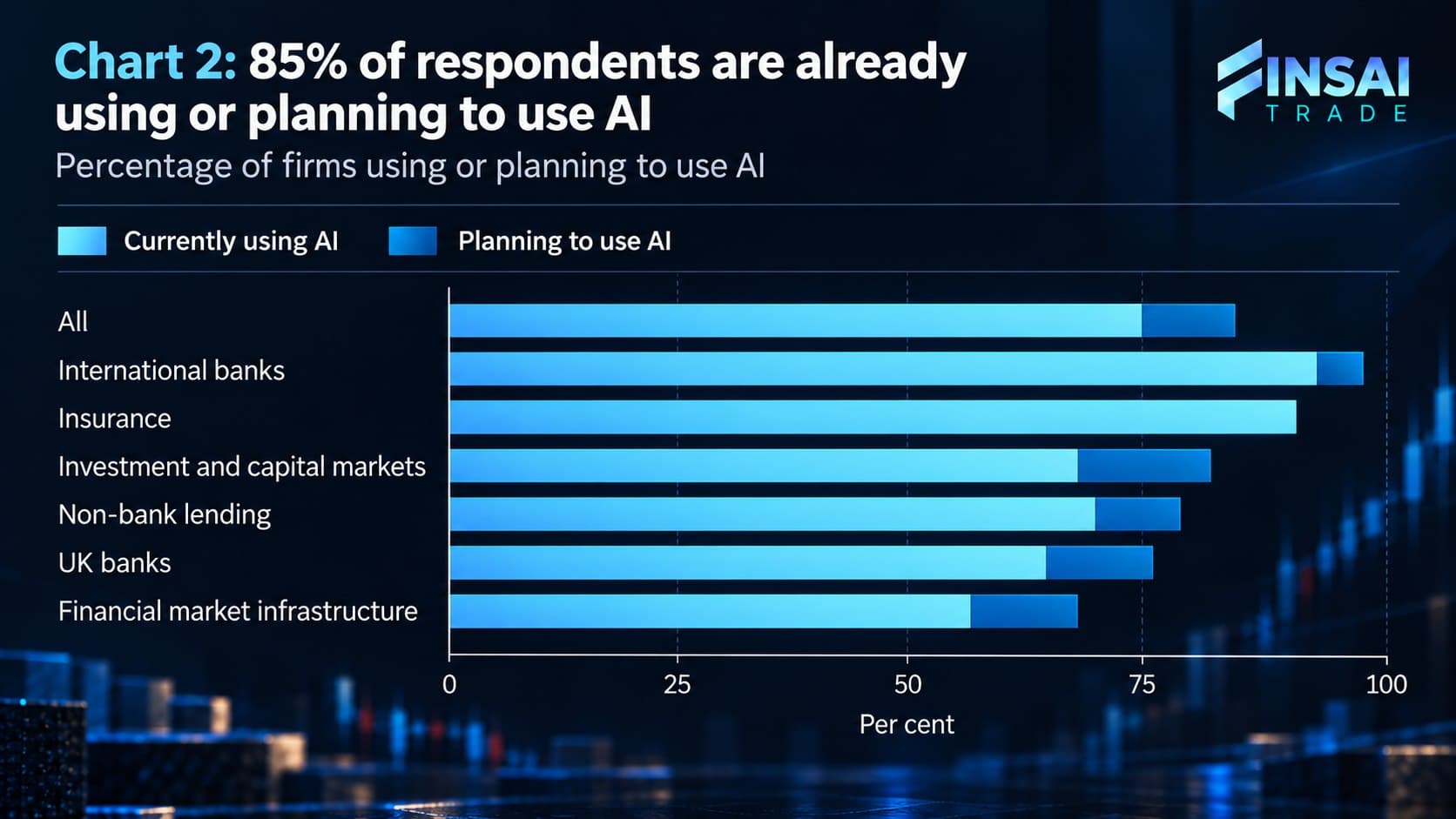
That's why algorithmic transparency (being open about how systems work) and algorithmic accountability in trading (someone answering for what they do) matter. If an automated decision affects your account, you should know it happened and be able to challenge it.
It's also a growing focus of AI governance in financial services. GDPR Article 22 profiling rules protect you from certain fully automated decisions with significant effects, and the EU AI Act's high-risk AI rules add new oversight requirements.
Mauritius is also putting specific guardrails around AI in financial services. The Financial Services Commission (FSC) issued its Guidance Notes on the Responsible Use of Artificial Intelligence in Financial Services in September 2025. The guidance calls for transparency around how AI is used for decision-making, channels for customers to raise concerns about AI-based services, and clear accountability when AI systems produce errors or malfunctions.
For trading platforms using AI to analyse customer behaviour, personalise services or support automated decisions, these principles make responsible data use part of the wider conversation around customer protection and trust.
What Regulations Protect Data on Trading Platforms?
In the US, SEC Regulation S-P requires covered firms to have incident-response plans and, in certain cases, notify affected customers within 30 days. In the UK, the FCA Consumer Duty requires good outcomes for retail customers, while the UAE PDPL sets rules for handling personal data.
But compliance is only the floor. Real trading platform data security also needs access controls, encryption and secure logins.
What Are the Best Practices for Protecting User Data?
Trading platforms can protect user data by following five core practices:
- Collect only necessary data. Gather information needed for KYC, security, fraud prevention and compliance.
- Be transparent about data use. Clearly explain what data is collected, why it is used and who it is shared with.
- Give users control. Provide clear choices over consent, personalisation, marketing and privacy preferences.
- Keep humans involved in major decisions. Automated systems can support risk and fraud checks, but significant decisions should have appropriate human oversight.
- Strengthen data security. Use encryption, access controls, secure authentication and monitoring to protect data throughout its lifecycle.
Data Ethics Is Now Part of Trading Trust
Data ethics in trading is no longer just a privacy issue. It shapes how platforms collect information, use AI, personalise services and make decisions that can affect customers.
Regulations set important boundaries, but trust depends on what platforms do beyond minimum compliance. Clear data practices, meaningful user control, strong security and accountable AI give traders a better understanding of how their information is being used.
For trading platforms, the message is simple: protecting user data is not just about avoiding breaches. It is about earning the confidence that keeps users coming back.
Frequently Asked Questions
Does my broker sell my trading data to third parties?
Not necessarily. Brokers may share data with service providers or other third parties depending on their privacy policies and applicable laws.
What is the difference between KYC data and behavioral trading data?
KYC data verifies your identity. Behavioral trading data includes your trades, asset preferences, trading frequency and market responses.
Can I opt out of AI-driven personalization?
This depends on the platform and applicable laws. Where available, users should have clear choices over consent-based personalization in trading.
What should brokers disclose about AI-driven decisions?
Brokers should explain when automated decision-making is used, its purpose and, where applicable, how users can request human review.
How is my data protected if my broker is regulated offshore?
Check the broker's regulator, applicable privacy laws, data storage practices and security measures.
How does PFOF interact with data ethics?
Payment for Order Flow (PFOF) and data ethics are separate issues, but platforms should clearly disclose relevant arrangements and potential conflicts.
What is the difference between privacy compliance and data ethics?
Privacy compliance means meeting legal requirements. Data ethics in trading goes further, covering transparency, data minimization, informed consent and responsible data use.